Without rubber granules, the rubber surfacing we see on the playground or in landscaping wouldn’t be the same. Rubber granules by themselves cannot be used as surfacing, but when they go through the right process, they can be made into all types of rubber flooring applications used for different recreational areas. This article will walk you through all the ways rubber granules are used for rubber surfacing.
What are Rubber Granules?
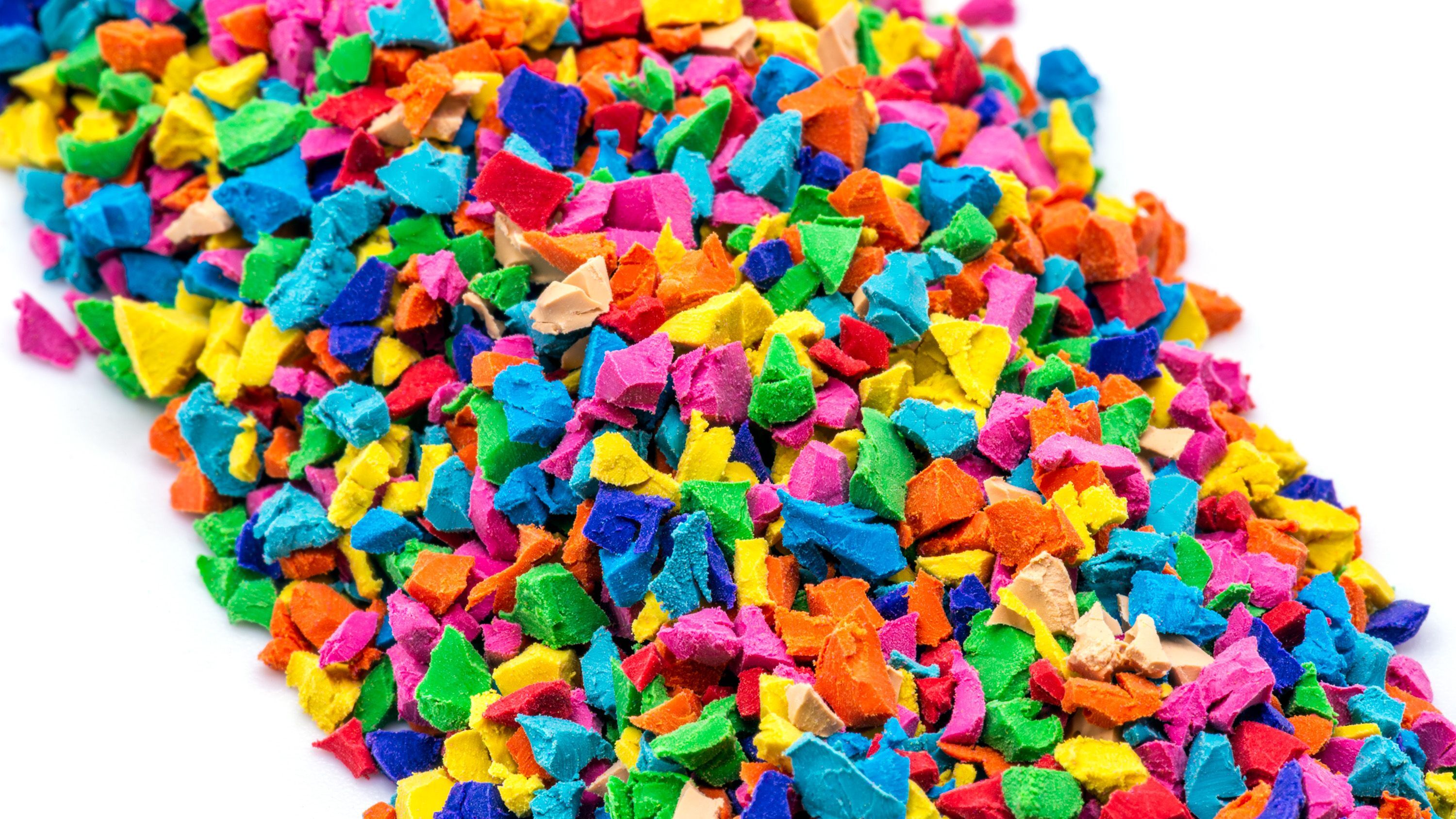
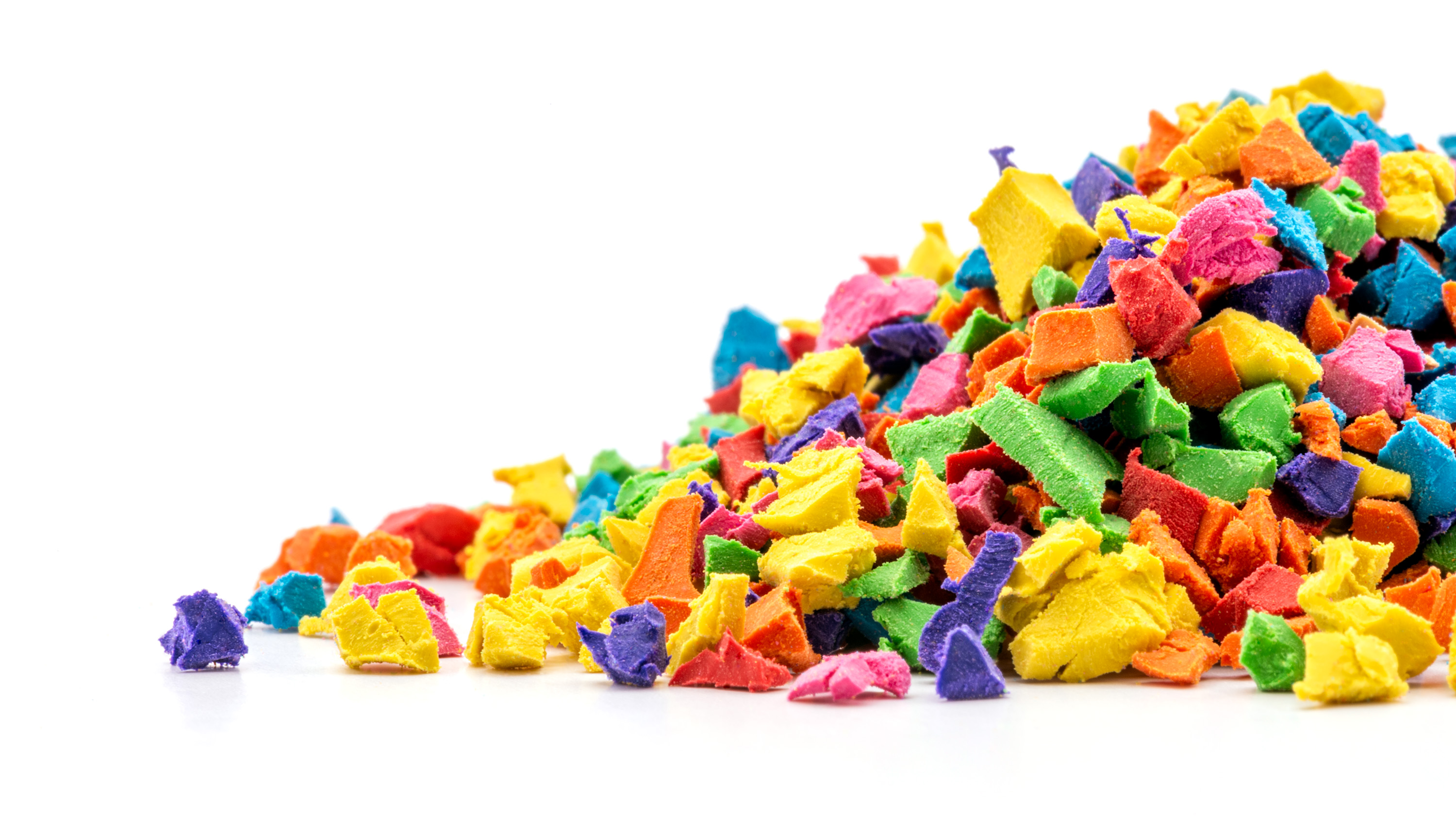
Rubber granules are granulated rubber pieces that are typically made from a rubber material that has been grounded into a fine texture. Sometimes rubber granules are made from repurposed rubber such as recycled tires or other types of scrap rubber materials. Oftentimes, the recycled rubber tires will go through a cleaning and grinding process that produces granulated rubber pieces for different types of safety surfacing.
Sizes and Shapes of Rubber Granules
Depending on your project type, you can get rubber granules cut into different shapes and sizes. Particle sizes are often strictly controlled to provide a dependable quality product, but custom grinds to any granulate size are an option. At American Recycling Center, we offer commonly stocked safety surface rubber granules in the following sizes:
- .5 - 2 MM
- 1 - 3 MM
- 1 - 3.5 MM
- 1 - 4 MM
- 1 - 5 MM
- 3 - 6 MM
If you’re looking for a different shape or texture than granulated rubber or rubber pellets, some places offer rubber buffings, which are also known as “strand rubber.” Rubber buffings have a mulch-like appearance and can be cut into different sizes. At American Recycling, we have rubber buffings available in Track, Playground, and Plus Four Mulch sizes.
Colored Rubber Granules
Black rubber granules are not the only available color for granulated rubber pieces. Many distributors will offer colored rubber granules in varying cuts that can be used as rubber surfaces for areas that need to appear more vibrant. Colored rubber granules are a great choice for projects that need colorful playground flooring.
Best Ways to Use Rubber Granules
Rubber granules can be used for a lot of different surfacing applications. Many of the rubber surfacing applications that you see in recreational spaces like playgrounds, parks, sports fields, and horse arenas will likely use granulated rubber to help create their safety surfacing. Continue reading to learn more about the best ways to use rubber granules.
Playground Flooring
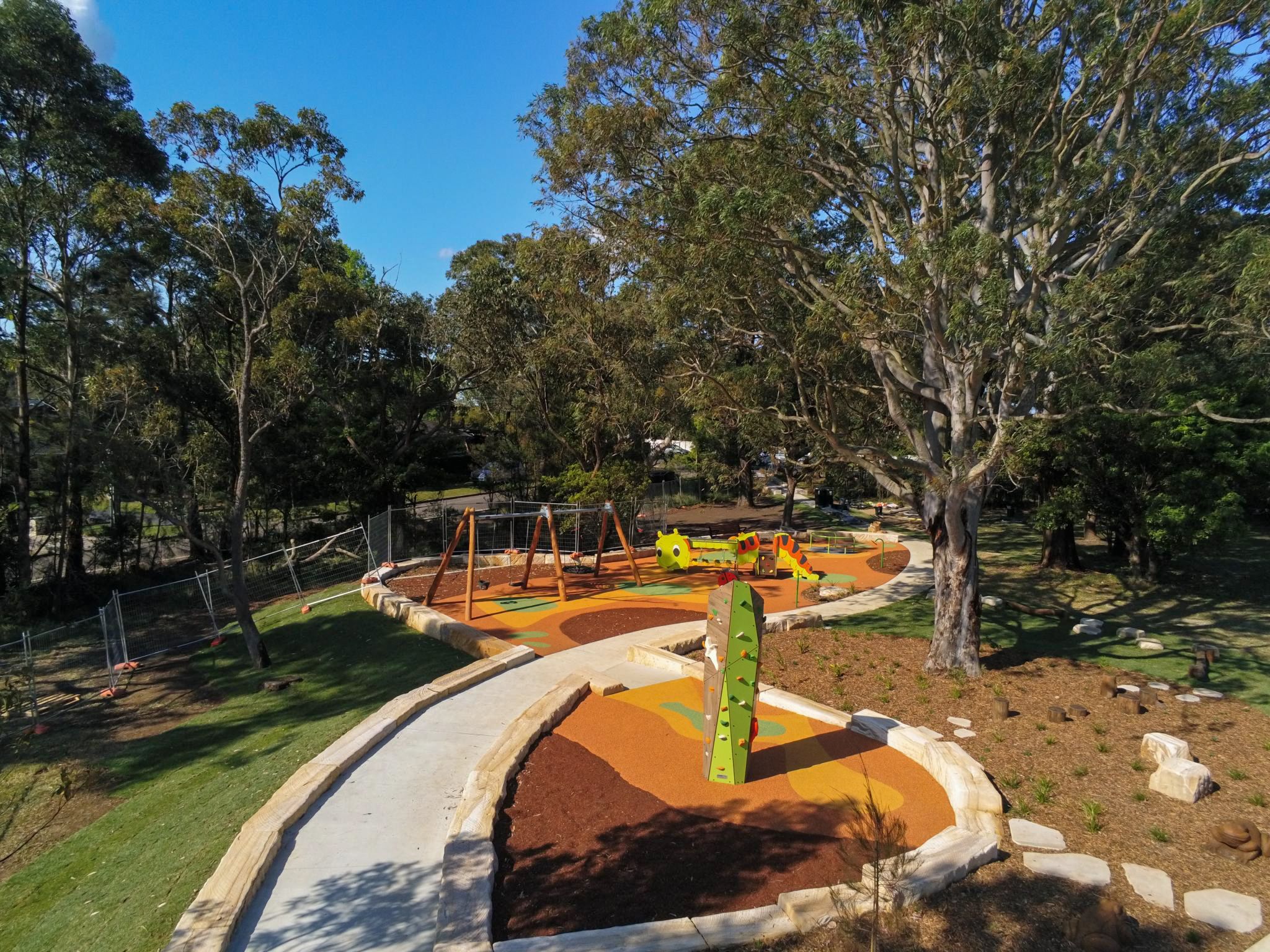
Time spent on the playground is valuable for children of all ages as it addresses many of their social, developmental, and physical needs. That said, the playground should be a safe place for children to play and practice these skills. Playground flooring can help to keep children safe by protecting them from unexpected falls.
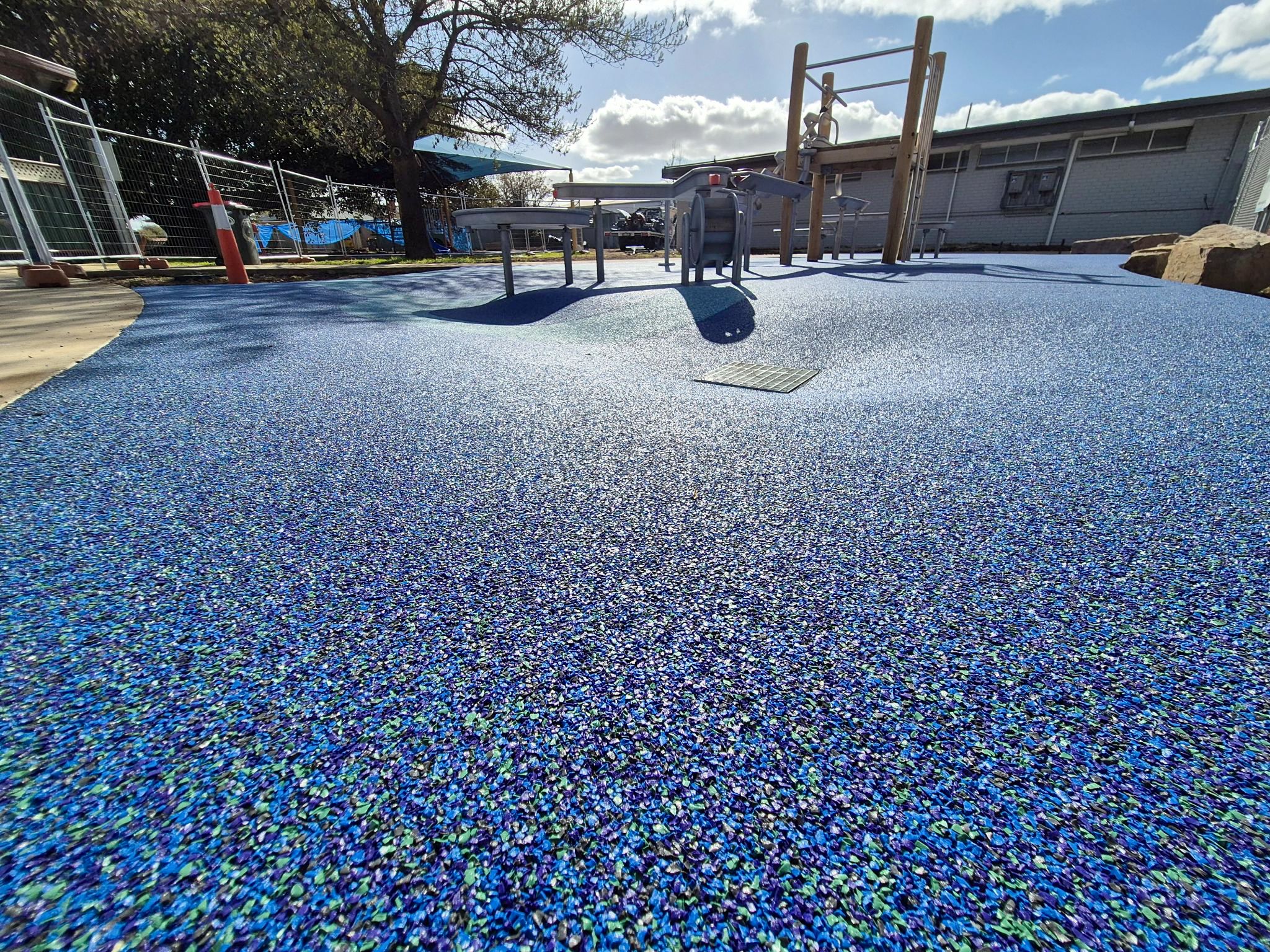
Aside from choosing playground equipment, deciding on the right type of safety surfacing can be one of the most important parts of a new playground project. Rubber playground flooring is a popular choice for playground flooring. There are a few types of rubber flooring options that can be made using rubber granules. These options include the following:
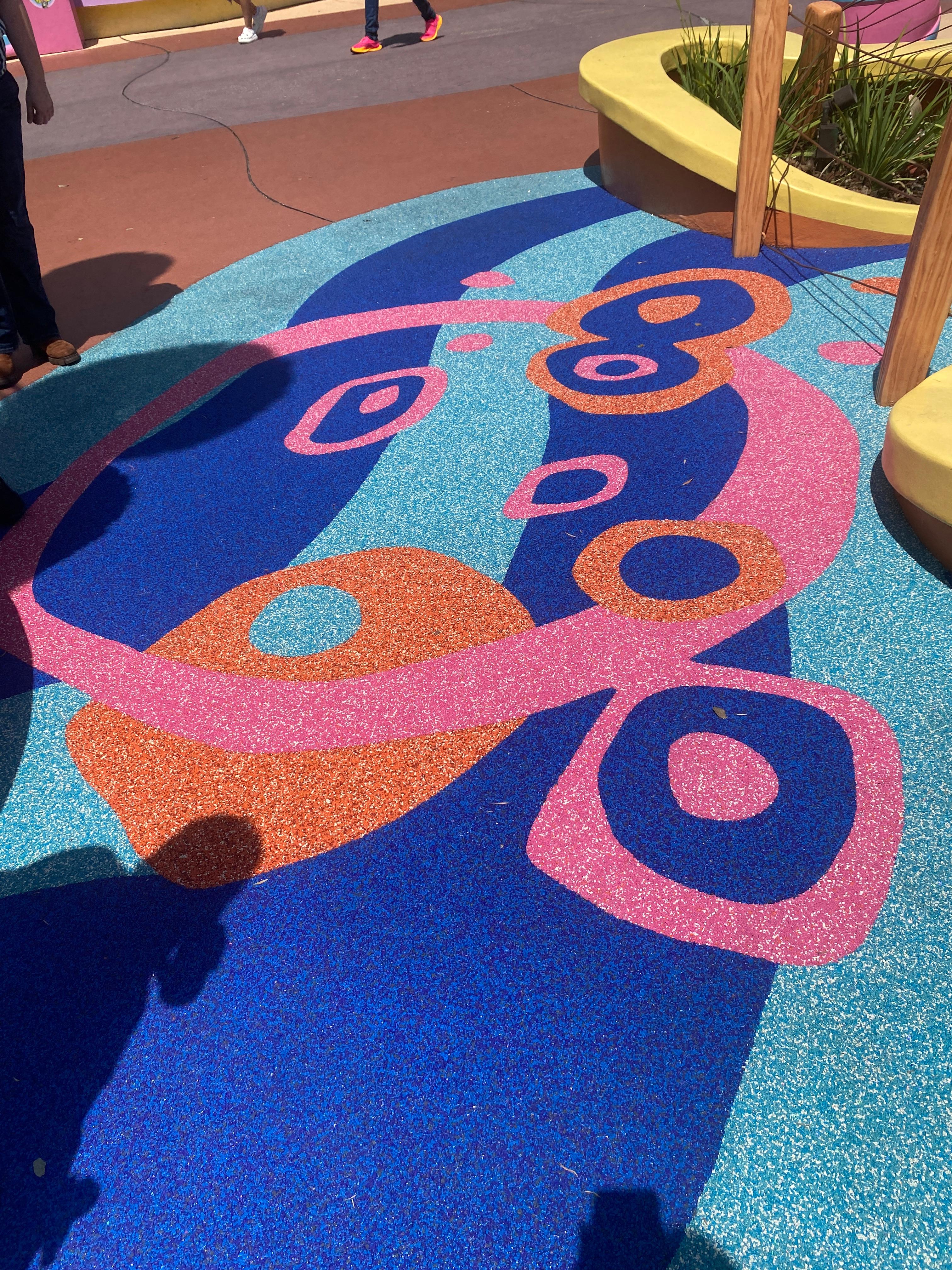
- Pour-in-Place: Pour-in-place rubber or “poured rubber” offers a seamless type of colorful flooring that can be used for a variety of different indoor or outdoor applications. Choosing pour-in-place rubber as a safety surface can allow for multiple different colors as well as patterns for your playground flooring due to the use of colored rubber granules.
- Bonded Rubber: Bonded rubber can be poured on-site like pour-in-place rubber, but its appearance and material shape varies slightly. Bonded rubber uses shredded pieces of rubber as opposed to using granulated rubber pieces. It still has the same seamless surface as pour-in-place rubber. While some bonded rubber applications offer different colors, different patterns that are achieved using pour-in-place rubber are not possible. This is due to using the larger pieces of rubber in the mixture.
- Rubber Mulch: Rubber material goes through a grinding process to create rubber buffings, which can be used as rubber mulch for playground surfacing or even landscaping. These pieces are often referred to as loose-fill safety surfacing, which can be found on many playgrounds.
As a trusted supplier of rubber products, American Recycling Center can provide rubber buffings, black granules, and color EPDM or TPV granules for any size pour-in-place playground installation. Our materials and chosen binders give the best results. We offer aromatic and aliphatic binders.
Our cushion buffings are cleaned and screened 4- to 8, 4- to 20 mesh. They are free of metal and fiber. We have a completely separate system to provide the best buffings available.
Landscaping
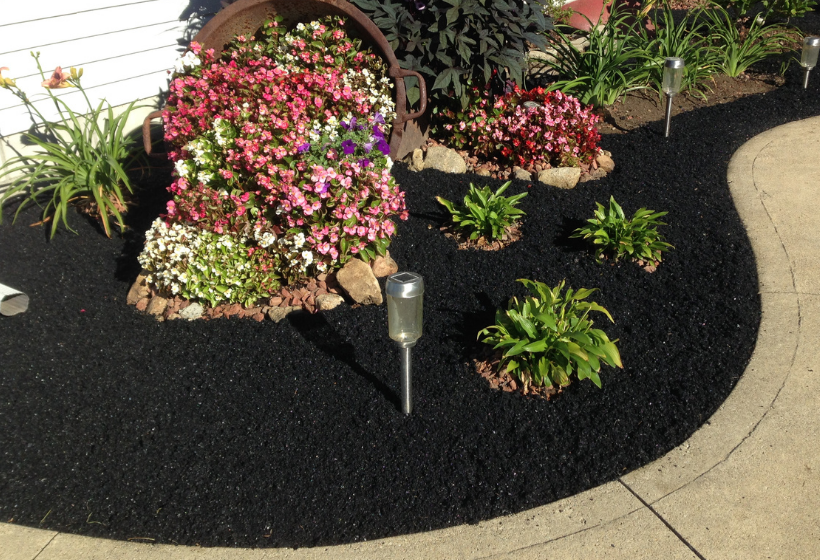
Having beautiful landscaping, whether it is at home or in a local park, can be a major mood enhancer. However, landscaping can be challenging and very time-consuming. For anyone looking to pull fewer weeds and keep those plants thriving, using rubber mulch as a ground cover could be the perfect one-time solution to your seasonal mulching needs.
At American Recycling Center, we offer rubber mulch that is great for the environment and will not harm vegetation. Our rubber mulch creates the perfect insulation for your soil, allowing water and nutrients in, and keeping weeds out.
Rubber mulch for landscaping won’t blow away in the wind or get washed out by the rain. It doesn’t decompose and it can help fight weed growth.
Our recycled rubber mulch is an excellent choice for residential and commercial applications that are looking for a low-maintenance alternative to decorative stone, wood mulches, rock, and other types of ground covers.
Arena Footing
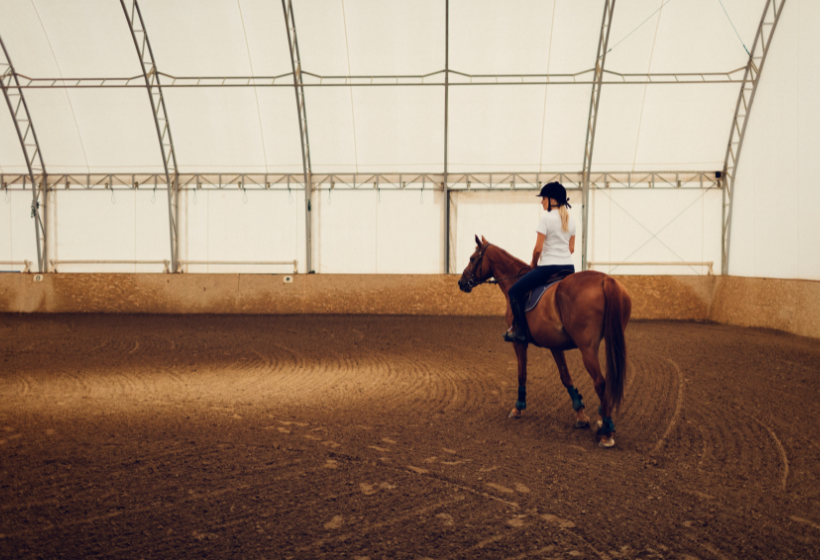
Having quality horse arena footing helps to prevent joint or stress-related injuries for horses. Some horse arenas will use rubber granules for horse arena footing material. This is actually the same type of material that many athletes use to train. The horse arena footing can be custom ground to fit individual needs.
Find Rubber Granules at American Recycling Center
If you’re interested in rubber granules or buffings, contact us today. ARC is a trusted supplier of premium rubber granules. Our high-quality granulated rubber can be used for playground surfacing, arena footing, sports surfacing, and more.
Frequently Asked Questions
Finished reading the blog but not sure if we answered all your questions? Here are some answers related to best uses for rubber granules.
What are rubber granules made from?
Rubber granules are granulated rubber pieces made from rubber material that has been ground into a fine texture. They're often made from repurposed materials like recycled tires or other scrap rubber, which go through a cleaning and grinding process to produce granulated pieces suitable for safety surfacing.
What sizes do rubber granules come in?
Particle sizes are strictly controlled to ensure consistent quality, but custom grinds are available. American Recycling Center stocks commonly used safety surface rubber granules in the following sizes: .5–2mm, 1–3mm, 1–3.5mm, 1–4mm, 1–5mm, and 3–6mm.
Can rubber granules come in colors other than black?
Yes. Colored rubber granules are available in varying cuts and are a popular choice for playground flooring projects that need a more vibrant appearance. Colored EPDM or TPV granules are available through American Recycling Center.
What is the difference between rubber granules and rubber buffings?
Rubber granules are ground into a fine, granulated texture, while rubber buffings — also called strand rubber — have a mulch-like appearance and a different shape and texture. American Recycling Center offers rubber buffings in Track, Playground, and Plus Four Mulch sizes.
What types of playground surfacing can be made using rubber granules?
There are three main options. Pour-in-place rubber uses colored rubber granules to create a seamless surface that allows for multiple colors and custom patterns. Bonded rubber is similar but uses shredded rubber pieces instead of granules, resulting in fewer pattern options. Rubber mulch uses rubber buffings as a loose-fill safety surfacing option commonly found on playgrounds.
What is the difference between pour-in-place and bonded rubber surfacing?
Both are poured on-site and create a seamless surface, but they differ in material and appearance. Pour-in-place uses rubber granules, which allows for more color variety and intricate patterns. Bonded rubber uses larger shredded rubber pieces, which limits pattern options but still provides a durable, seamless finish.
Can rubber granules be used for landscaping?
Yes. Rubber mulch made from rubber buffings works as a ground cover that resists wind and rain, doesn't decompose, and helps suppress weed growth. It also creates insulation for soil, allowing water and nutrients through while keeping weeds out — making it a low-maintenance alternative to wood mulch, decorative stone, or rock.
Will rubber mulch harm plants or vegetation?
No. American Recycling Center's rubber mulch is noted as being great for the environment and safe for vegetation.
Can rubber granules be used for horse arenas?
Yes. Rubber granules are used for horse arena footing and can be custom-ground to fit individual needs. Quality arena footing helps prevent joint and stress-related injuries in horses — and it's noted that the same type of material is used by athletes for training surfaces.
Are the rubber buffings used for playground surfacing free of metal and fiber?
Yes. American Recycling Center's cushion buffings are cleaned and screened and are free of metal and fiber, which is important for maintaining safety and quality standards in playground surfaces.
What binders does American Recycling Center offer for pour-in-place installations?
ARC offers both aromatic and aliphatic binders for pour-in-place playground installations.
Where can the gaps still be filled in?
A few questions this blog naturally raises but doesn't fully answer include: How much do rubber granules cost per unit or project? What is the turnaround time for custom grinds? Are there ASTM or safety certifications associated with these materials? Those would be great additions if ARC can provide the specifics.