When it comes to a successful pour-in-place rubber installation, the quality of the rubber and binder are only part of the equation. Environmental conditions, especially temperature and humidity, play a critical role in how the binder reacts, cures, and ease of installation. As we move into the colder months, understanding how weather affects your installation becomes even more important.
The Binder Does the Heavy Lifting…..
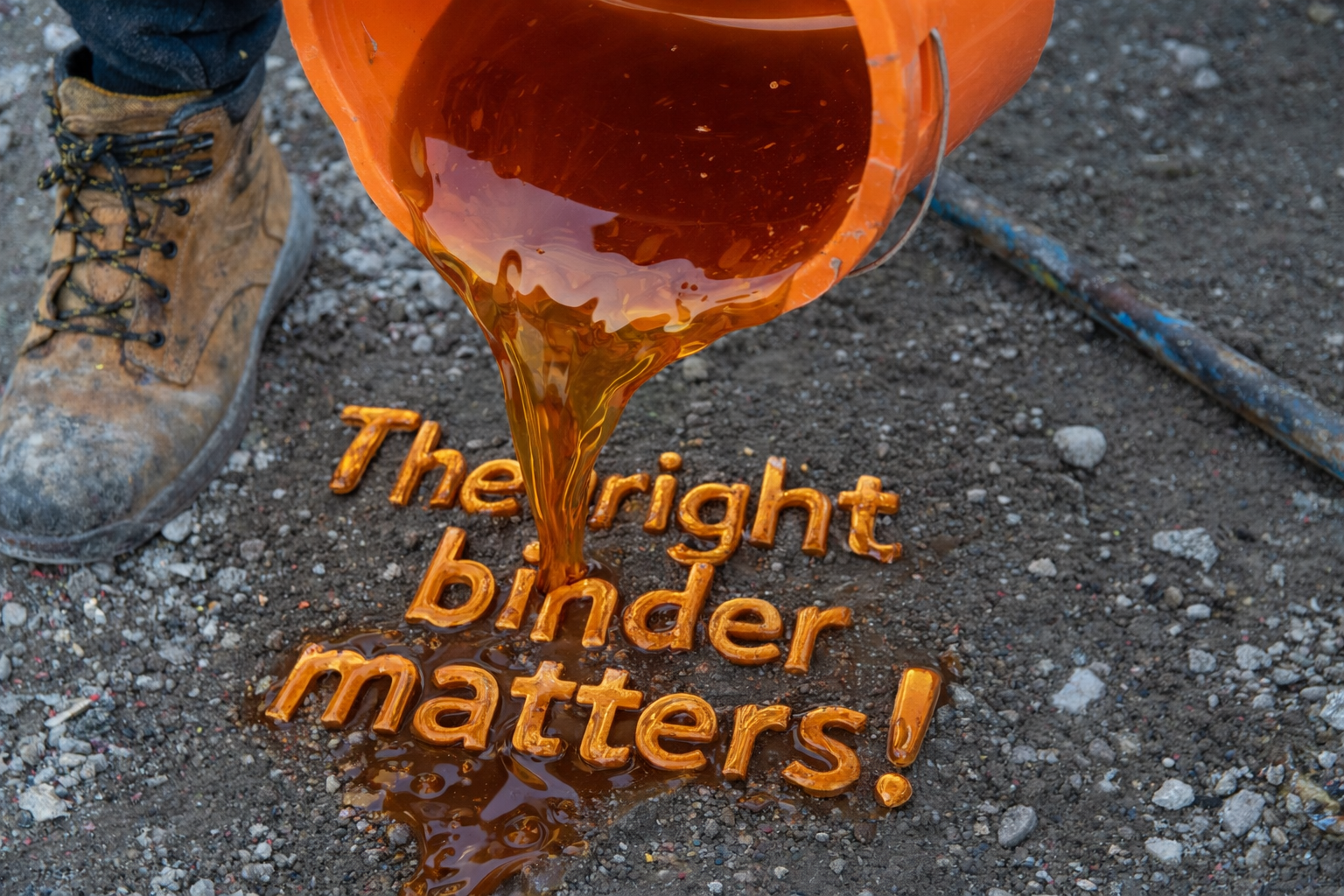
The binder is the component that holds the rubber system together. While rubber granules provide impact attenuation and aesthetics, the binder creates the bond that gives the surface its strength and durability. Choosing the right binder for the conditions can mean the difference between a long-lasting surface and one that experiences premature wear or bond failure.
Not all binders perform the same across varying temperatures and humidity levels. A binder that performs exceptionally well during the heat of summer may not provide the same curing characteristics during a cool fall installation.
How Temperature Impacts Cure Time…..
Temperature directly affects the chemical reaction that allows polyurethane binders to cure.
In warmer conditions, binders generally react and cure faster. However, excessively high temperatures can shorten working time, making installation more challenging and increasing the risk of not being able to blend passes together.
In cooler temperatures, the opposite occurs. The curing process can slow down, extending the time required for the binder to fully develop its strength. As temperatures drop, selecting a binder specifically formulated for cooler weather becomes increasingly important.
A slower cure isn't necessarily always a problem, but installers must account for:
- Longer cure times before opening the surface to traffic
- Increased vulnerability to moisture during curing
- Reduced productivity if weather windows are limited
- Potential bonding issues if temperatures fall outside the manufacturer's recommended range
The Role of Humidity…..
Humidity can either help or hinder the curing process depending on the binder chemistry being used. Many polyurethane binders rely on atmospheric moisture to complete the curing reaction.
Moderate humidity levels often support a healthy cure. However, excessive humidity can introduce challenges such as:
- Surface bubbling or foaming
- Inconsistent cure rates
- Cosmetic imperfections
- Reduced surface strength in some cases
Conversely, extremely dry conditions can slow moisture-cure reactions and extend overall cure times.
This is why environmental conditions should always be evaluated as a whole. Temperature and humidity work together, and a successful installation requires understanding how both factors impact the binder's performance.
As the Weather Gets Colder, Binder Selection Becomes Critical…..
Fall tends to be one of the busiest times to install pour-in-place surfacing, but it can also present some of the most challenging weather conditions.
Many installers focus on the daytime temperature and overlook what happens overnight. A beautiful 55°F afternoon may seem ideal, but if temperatures are expected to drop into the low 30s overnight, the curing process can be significantly affected.
Cold-weather binder formulations are designed to maintain proper reaction rates when temperatures begin to decline. Selecting the appropriate binder for seasonal conditions helps protect the installation and ensures the system develops the strength and durability intended.
Monitor Temperature Swings Throughout the Day…..
One of the most overlooked factors during fall installations is daily temperature fluctuation.
The weather at the time of installation is only part of the story. Installers should monitor:
- Morning temperatures
- Afternoon highs
- Overnight lows
- Multi-day forecasts
- Relative humidity trends
Significant temperature swings can affect cure consistency and surface appearance. Planning around the entire weather cycle rather than just installation-time conditions helps reduce risk and improve project outcomes.
Never Ignore the SDS and Manufacturer Guidelines…..
Every binder manufacturer provides recommendations through their Safety Data Sheet (SDS), Technical Data Sheet (TDS), and installation guidelines. These documents are the best resource for understanding:
- Recommended installation temperatures
- Storage requirements
- Cold-weather precautions
Following these guidelines helps ensure the binder performs as designed and can help avoid costly installation issues.
Our Final Reminder…..
Successful pour-in-place installations require more than quality materials and skilled workmanship. Temperature and humidity directly influence how binders cure and perform, making environmental awareness an essential part of every project.
As cooler weather arrives, binder selection becomes increasingly important. Monitor temperature trends throughout the day, pay close attention to overnight lows, follow all SDS and manufacturer guidance, and never install when freezing temperatures are expected during the cure cycle.
A little weather planning today can help ensure a safer, stronger, and longer-lasting surface for years to come.