Surfacing professionals are under growing pressure to deliver materials that hold up to heavy use while meeting sustainability goals that matter to schools, municipalities, and parks departments alike. Recycled rubber granule products have become one of the most practical answers to that pressure: a durable, low-maintenance material that diverts industrial scrap from landfills while performing reliably across playgrounds, athletic surfaces, and recreational spaces of every size.
Whether you're specifying material for a new installation or comparing surfacing options for an upcoming project, understanding how recycled rubber granules are made, where they're used, and what to look for when choosing a supplier can help you make a confident decision.
How Are Recycled Rubber Granules Made?
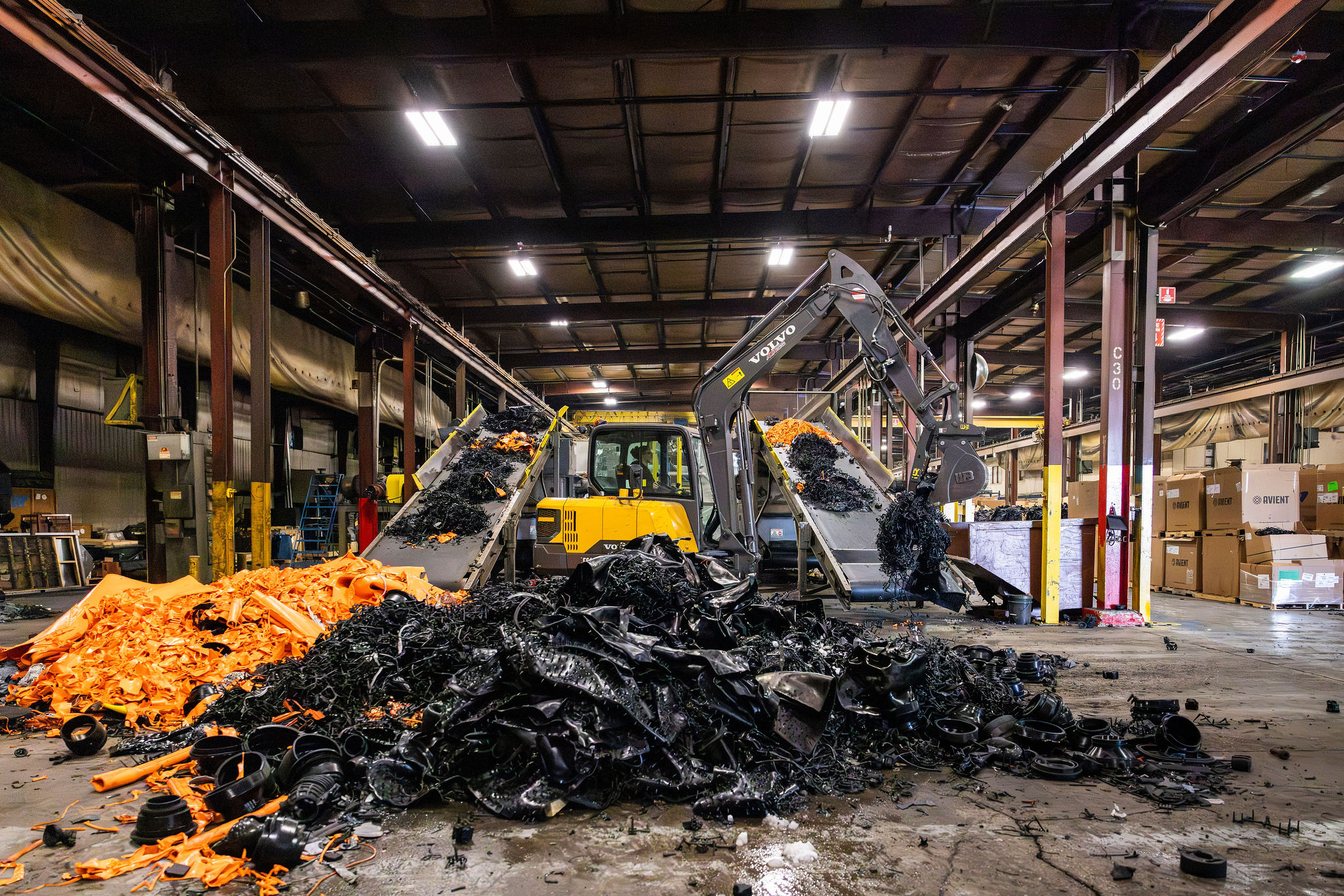
Recycled rubber granule production starts with scrap rubber sourced directly from industrial manufacturers in the form of off-spec parts, discontinued components, and overstocked inventory. That material is then put through a recovery and processing system designed to keep the finished granule clean and consistent:
- Recover: Scrap rubber is collected from a variety of industrial suppliers, rather than a single source, which allows for a consistent, blended supply.
- Sort: Incoming material is checked against our strict intake standards, generally requiring a durometer between 40 and 90 Shore A and a minimum thickness of 3 millimeters, with packaging that's free of metal, fiber, and wood contamination.
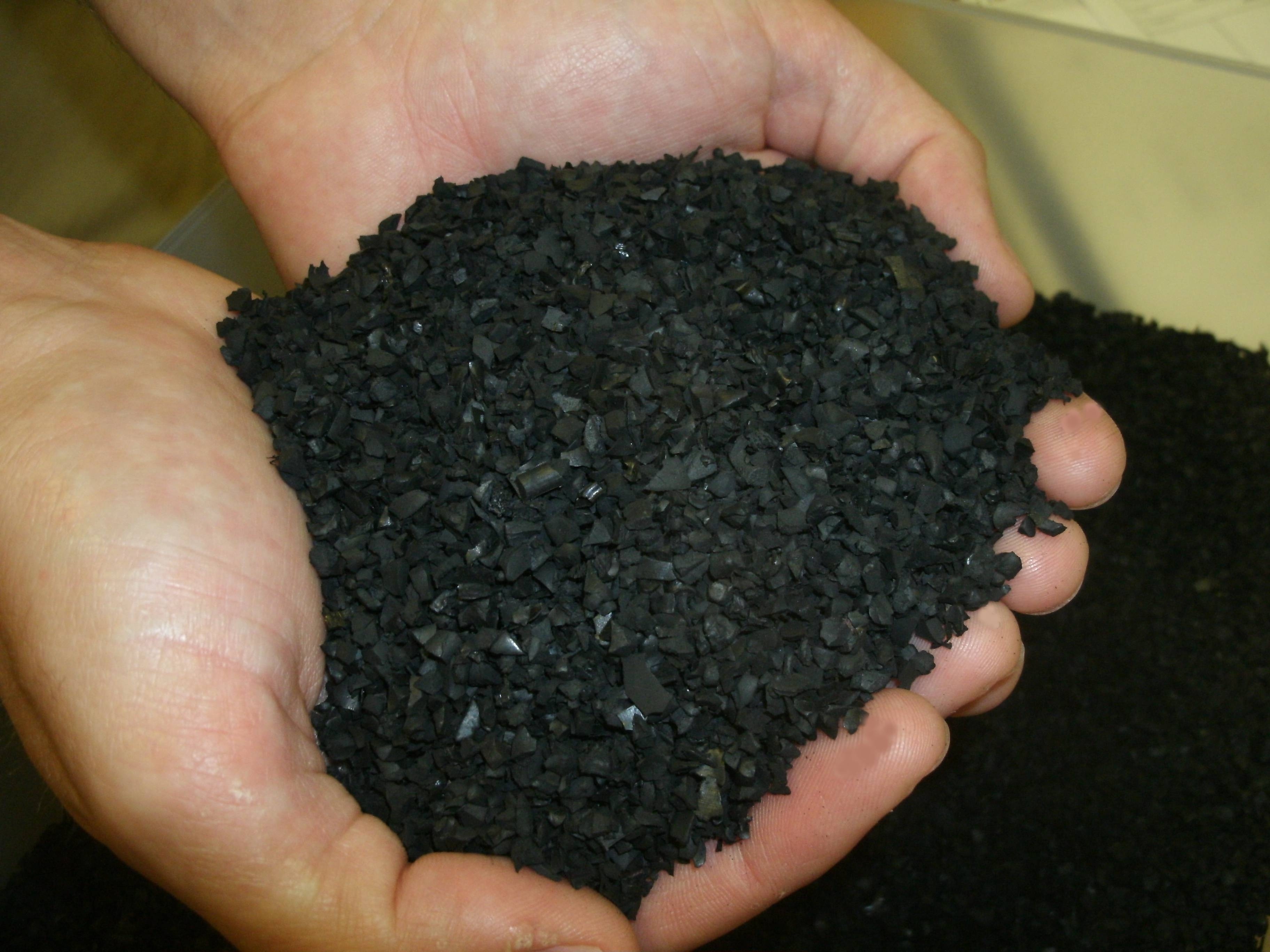
- Process: Accepted material goes through a multi-step grinding process that classifies it into specific size parameters, producing a clean, contaminant-free granule.
- Supply: Finished granules are distributed to playground installers, athletic facility builders, and landscape contractors for use in recreational surfacing projects.
Because the feedstock comes from industrial manufacturing scrap, recycled rubber granules made this way are free of wire, fiber, and other contaminants from the outset, which supports both consistency and longevity in the finished surface. Between 4 locations, including Sparton Enterprises and Rubber Designs, we save 470,000 lbs of rubber from the landfill every working day.
Common Applications
Playground Surfacing
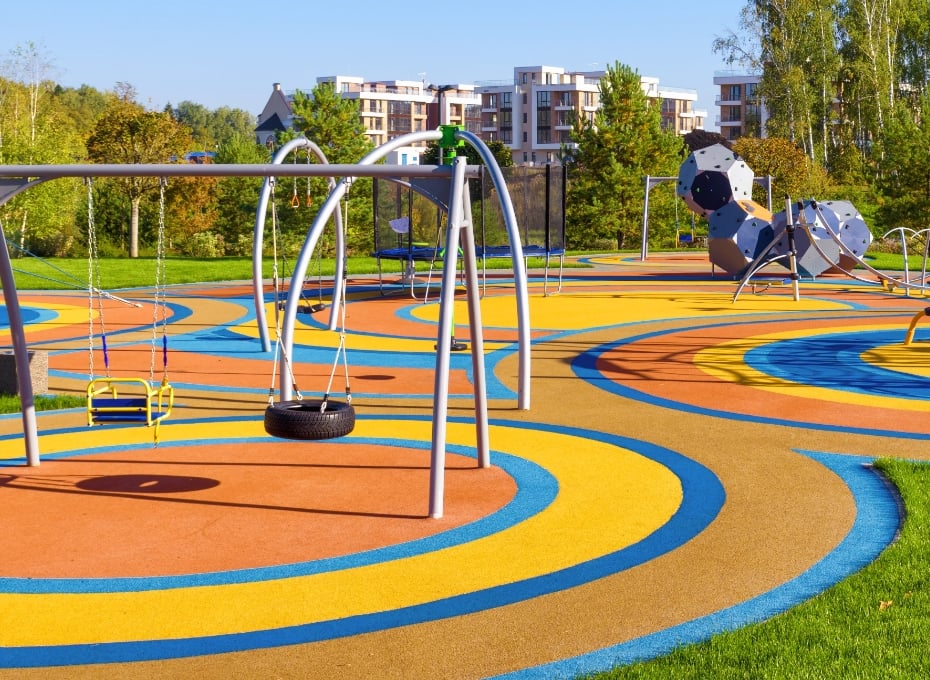
Recycled rubber granules are a core material in poured-in-place playground installations. Black granules typically form the base layer, often paired with cushion buffings and an appropriate binder system to create a unitary, impact-absorbing surface. Because granules, buffings, and binders can all come from the same supplier, contractors can source an entire playground surfacing system as a single, coordinated order, rather than piecing it together from multiple vendors.
Synthetic Turf Infill
Recycled rubber granules are also produced specifically for use as infill within synthetic turf systems, where they sit between the turf fibers to add weight, cushioning, and stability underfoot. Turf infill granules are produced from industrial scrap rubber using the same non-tire sourcing as our other recycled granule products, resulting in a clean feedstock.
Outdoor Fitness & Recreation Areas
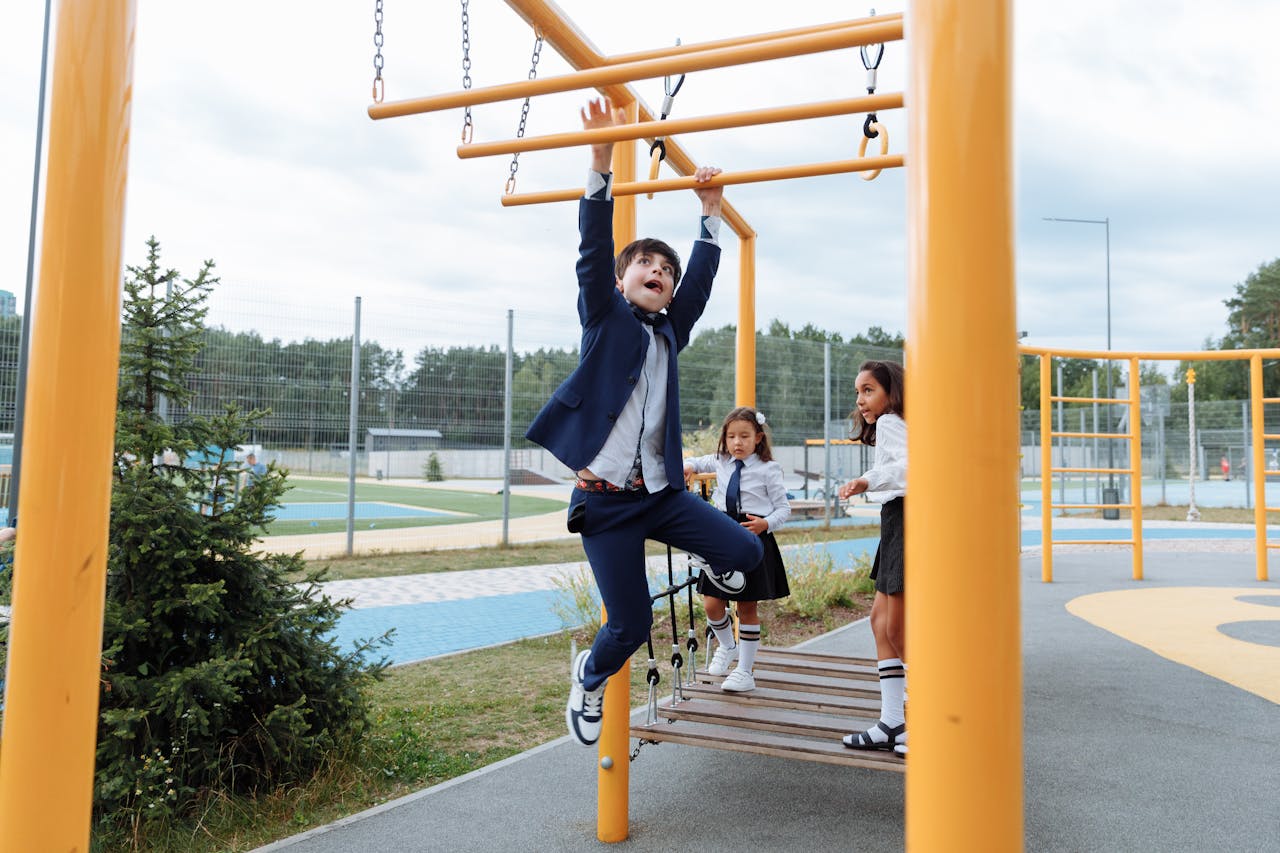
Outdoor gyms, fitness trails, and community recreation spaces increasingly rely on rubber surfacing systems to protect users training on equipment outdoors. Recycled rubber granules, applied with a binder in a poured-in-place configuration or used as the cushioning base beneath interlocking rubber tiles, provide the impact attenuation these high-use fitness areas need, while standing up to repeated, concentrated wear from equipment and foot traffic.
Running Tracks
Running track construction is a common application for recycled rubber granules. Combined with a latex binder system, granules create a springy, resilient surface that's both fast and forgiving underfoot. The surface is also valued for being permeable, helping water move through and off the track, rather than collecting on top of it. A pigment coating can be applied over the top layers of the track to add color, making it possible to coordinate the surface with school or athletic program palettes.
Benefits
Safety
Quality recycled rubber granules are clean. They're produced free of metal, stone, fiber, and other contaminants, and dust is kept below 2%. Paired with the right binder and installed to spec, they create a surface that performs the way it's supposed to.
Durability
Recycled rubber granules are made to hold their physical properties over time. They're engineered with a hardness and tensile strength suited to outdoor surfacing, and the quality of the polymer content gives them strong resistance to UV breakdown, which matters for any surface that lives outside year-round.
Drainage
Loose, granular rubber lets water pass through instead of sitting on top. That's a big reason granules show up underneath turf and other surfacing systems, in cushion layers built specifically to manage water. It's also why rubber running tracks are noted for aiding drainage. Even rubber accessories made from the same material, like edging and curbs, can be built with drainage ports, so water doesn't pool at the edges of a play area.
Cost-Effectiveness
Recycled rubber granules are a smart long-term investment. The material's hardness and UV resistance mean a surface built with it can go a long time without needing replacement, and day-to-day upkeep is mostly limited to periodic inspection, which keeps maintenance costs low over the life of the surface.
Sustainability
Recycled rubber granules give industrial scrap rubber a second life, instead of sending it to a landfill. ARC has been processing scrap rubber since 1993, building a cost-effective alternative to landfill disposal. We process millions of pounds of material every year, turning manufacturing byproduct into a material that performs in parks, playgrounds, and athletic facilities nationwide.
How to Choose the Right Type
Granule Size
Recycled rubber granules come in a range of sizes, generally from about 0.5 millimeters up to 6 millimeters, depending on the grade. Stocked sizes run from fine .5mm granules to coarser 5/8-inch material, with several grades in between. Custom grinding is available if your project needs something outside the standard range. The right size really comes down to the surfacing system you're using and the finish you're after.
Quality Standards
Not all recycled rubber granules are made to the same standard. Ask your supplier for documented physical properties (e.g., specific gravity, hardness, and tensile strength), along with sieve analysis confirming consistent sizing. A reputable supplier should have this information on hand in a technical data sheet for any granule product you're considering.
Intended Application
Granules and rubber buffings aren't made the same way, and they're not used the same way, either. Granules come from grinding industrial scrap rubber; buffings come from grinding the outer layer of truck tire tread. Both show up in playgrounds, running tracks, and landscaping, but which one belongs in a given layer, whether that's a wearing course, a cushion layer, or turf infill, depends on what that layer needs to do.
Binder Compatibility
Granules are usually combined with a binder, and the right one depends on your application and climate. Aliphatic urethane binders are non-yellowing and UV-stable, so they're a good fit when color needs to stay vibrant (think: playgrounds, pool decks, walking paths, and patios). Aromatic urethane binders offer strong bond strength across a wider range of climates and are a common choice for playgrounds and other safety surfaces. For running tracks, latex binder systems are the standard, prized for the springy, permeable surface they create with rubber granules. Check binder compatibility with your supplier before you install, so you don't run into adhesion or performance problems later.
Contact American Recycling Center for a Quote on Recycled Rubber Granules
Whether you're specifying material for a new playground, a running track, or a recreational surfacing project of any size, American Recycling Center can help you find the right recycled rubber granule product for your needs. Contact our team today to request a quote.