When it comes to pour-in-place (PIP)rubber surfacing, most people focus on one thing first: the rubber.
And YES, rubber quality matters. It matters a lot.
But here’s the truth many installers,spec writers, and project owners learn the hard way:
Even the best rubber can fail if thewrong binder is used. Pour-in-place surfacing is asystem. And that system only performs as well as its weakest component.
The Role of Quality Rubber in PIP Surfacing
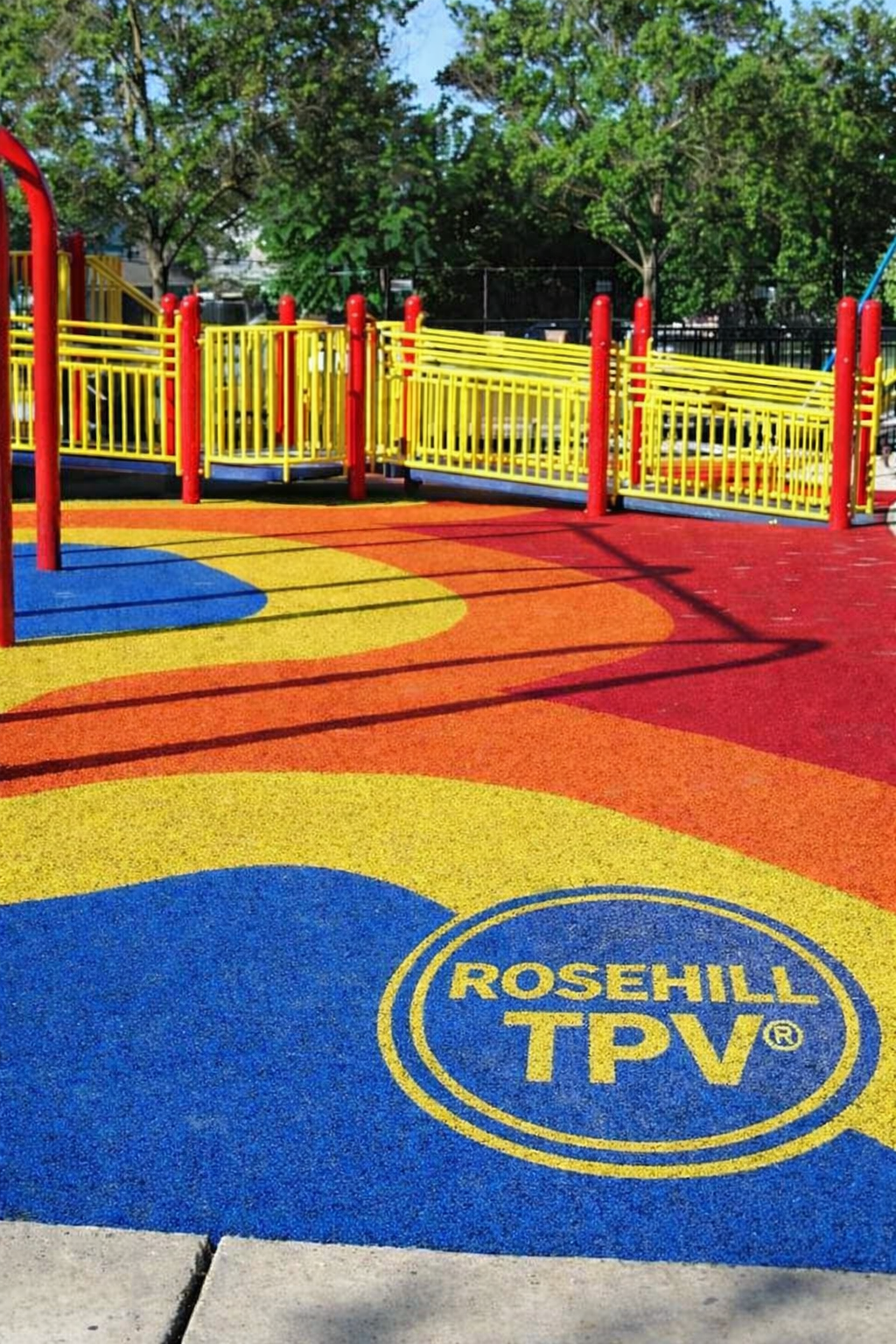
The rubber used in pour-in-placesurfacing directly impacts the look, feel, and longevity of the finishedproduct.
High-quality rubber provides: Better Color and Aesthetics
Premium rubber ages better, itdelivers a more consistent appearance, and helps create cleaner, more vibrantdesigns.
Lower-quality rubber can cause:
- premature granulation
- premature fading
- contamination that could impacts final finish
Consistent Sizing and Better Workability
When rubber gradation is consistent,it mixes and trowels easier, resulting in a smoother and more uniform surface.
Poor gradation can lead to:
- rough textures
- uneven finishes
- weak spots in the system
Cleaner Rubber Means Better Performance
Quality rubber is processed properlyto reduce dust, fibers, and contaminants that can weaken the bond betweenrubber and binder.
The Binder Mistake That Can Ruin a Great Project
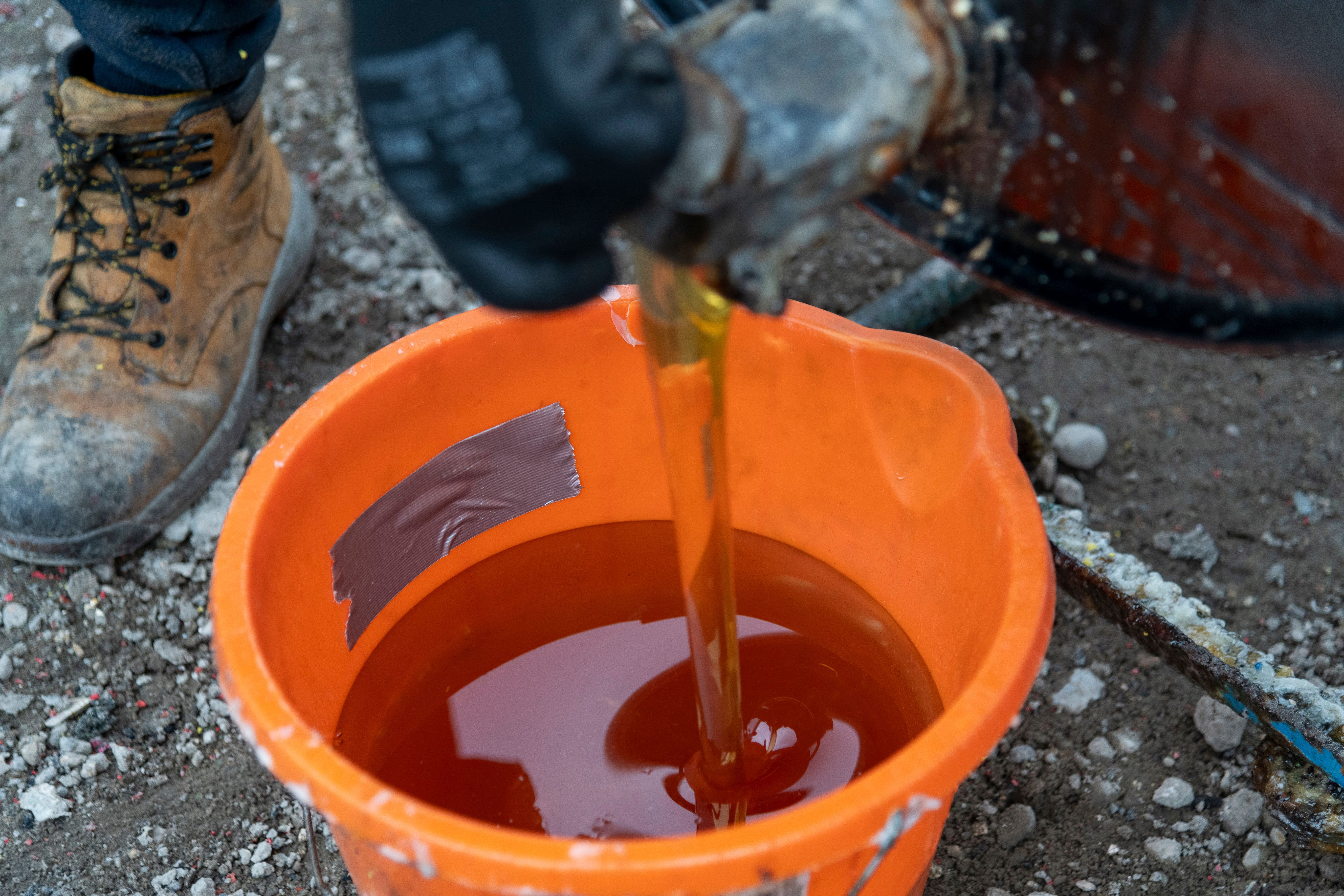
Here’s the part too many peopleoverlook: Binder isn’t just a “glue.”It’s the backbone of the system.
The binder is what holds the rubbertogether and bonds it into a surface that can handle:
- weather
- foot traffic
- temperature swings
- UV exposure
- time
Using the wrong binder, or even the right binder in the wrongconditions — can cause major problems.
What Happens When the Wrong Binder Is Used
Even if you start with top-tierrubber, the wrong binder can lead to:
Cracking and Premature Failure
When binder flexibility doesn’t matchthe environment, the surface can become brittle and crack.
Poor Adhesion
Improper binder selection can preventproper bonding between layers or between the rubber and base.
Fading and Discoloration
Certain binders won’t hold up to UVexposure, causing surfaces to prematurely age, fade, and even harden.
Rubber + Binder Must Be Matched Correctly
Pour-in-place surfacing isn’t a“one-size-fits-all” product.
The best results happen when therubber and binder are chosen intentional based on:
- climate conditions
- project location
- installation temperature & humidity
- intended use…. The right binder for the right application (playground, track, pool surround, etc.)
That’s why quality suppliers don’tjust sell rubber, they support you and work with you to help you create yourbest system.
The Takeaway: Don’t Let One Component Compromise the Whole Job
A successful pour-in-place projectcomes down to two critical pieces:
✅ Quality rubber that’s consistent, andreliable
✅ A binder that is proven, compatible, and built for the environment
If either one is wrong, the surfacewon’t perform the way it should.
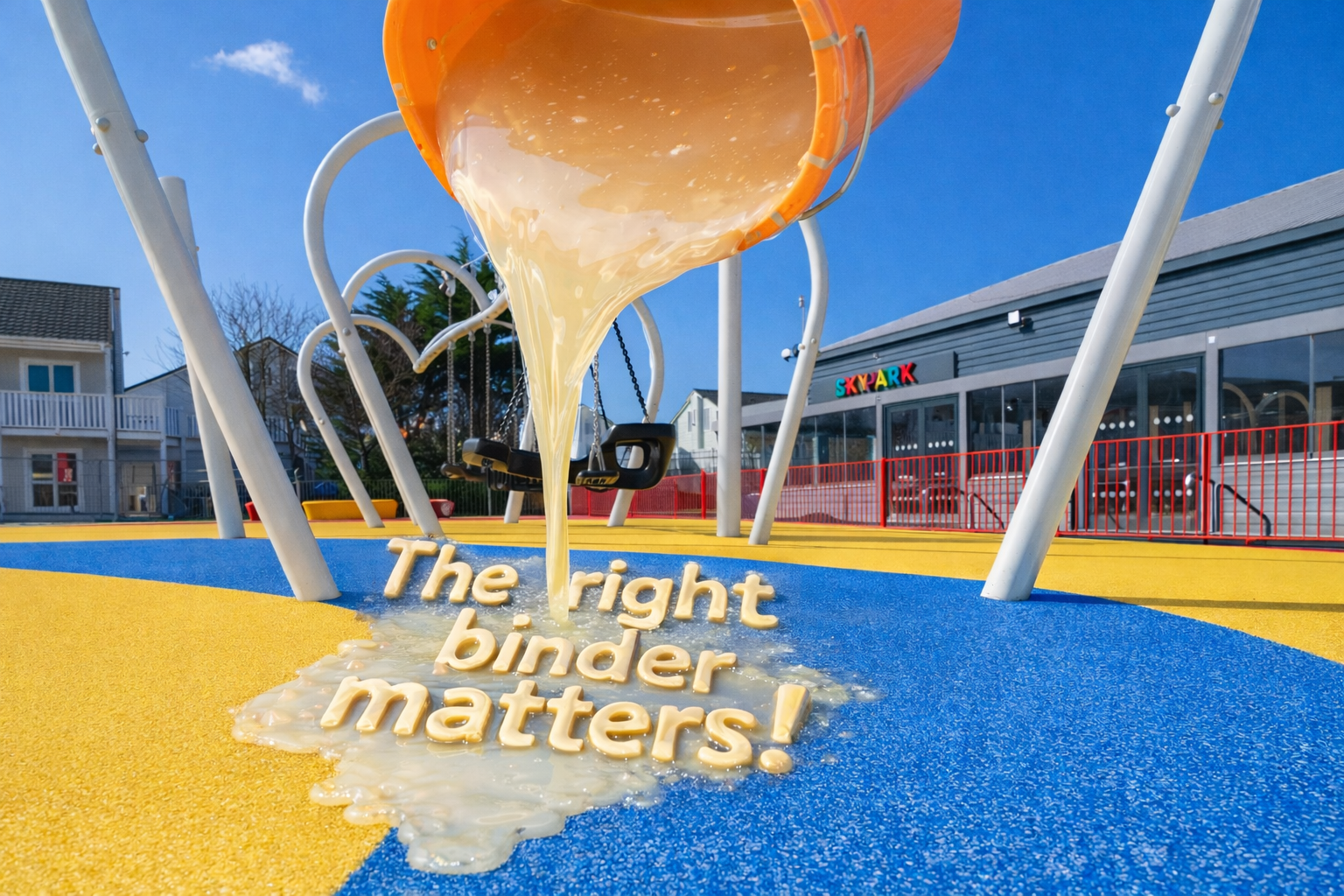
So if you’re planning your next PIPinstall, remember: Great rubbermatters… but the right binder is what makes it last.
Need Help Choosing the Right Materials? That’s where the “A” Team from ARC is ready, willing and able to support you.